
Which Chips Flavor Is Most Popular in India?
The packaged savory snacks market in India is expanding at an unprecedented rate. For FMCG startups, wholesale distributors, and neighborhood grocery retailers, understanding regional taste hierarchies is no longer just a marketing choice it is a core business strategy. If your retail shelves or distribution networks are stocked with slow moving inventory, it directly stalls your cash flow.
When analyzing the consumer preferences of potato chips india stands out as a highly diverse and complex marketplace. Consumer purchasing behavior is driven by a deep rooted love for bold seasoning, nostalgia, and impulsive snacking habits.
To help food industry professionals and supply chain managers maximize shelf velocity, this comprehensive guide decodes the top performing snack flavors across the country, highlighting what drives high volume sales.
The Ultimate Flavor Hierarchy of Potato Chips India
The Indian savory snack segment is intensely competitive. While basic salted profiles remain a safe baseline for legacy brands, the real growth volume is driven by complex spice profiles.
Consumer purchase data reveals that the market is clearly divided into three major flavor categories: masala, tangy tomato, and cream & onion. Let’s break down the commercial performance of each segment.
The Undisputed King: Masala Chips
When it comes to mass market penetration, masala chips command the largest market share in the organized snack sector. Western flavor profiles often struggle to replicate this success because the Indian palate is biologically conditioned to appreciate complex, multi layered spice notes.
- Consumer Demographics: This profile dominates across rural, semi urban, and metropolitan regions, appealing across all age groups.
- Key Sales Drivers: The unique blend of cumin, coriander, red chili, amchur (dry mango powder), and black salt triggers high taste bud satisfaction, making it an addictive option for impulsive consumption.
- Retail Insight: For wholesale distributors, maintaining a higher stock ratio of spicy profiles is essential. It serves as the highest velocity product line, especially when catering to local kirana stores and roadside tea stalls.
The Tangy Contender: Tangy Tomato Chips
A fascinating aspect of the Indian snack ecosystem is how well sweet, sour, and savory notes perform when combined. This preference is exactly why tangy tomato chips hold a dominant position on retail shelves.
- Consumer Demographics: This flavor profile sees incredibly high conversion rates among children, teenagers, and young adults.
- Key Sales Drivers: The natural sweetness of tomato powder combined with sharp citric notes offers a refreshing break from heavy spice, making it a preferred choice for mid day snacking.
- Supply Chain Note: Tomato powder can be highly hygroscopic. Brands must utilize high quality multi layer laminates to avoid moisture ingress. To learn how modern brands manage this hurdle, explore our deep dive into how smart snack packaging prevents retail dampness.
The Urban Favorite: Cream and Onion Chips India
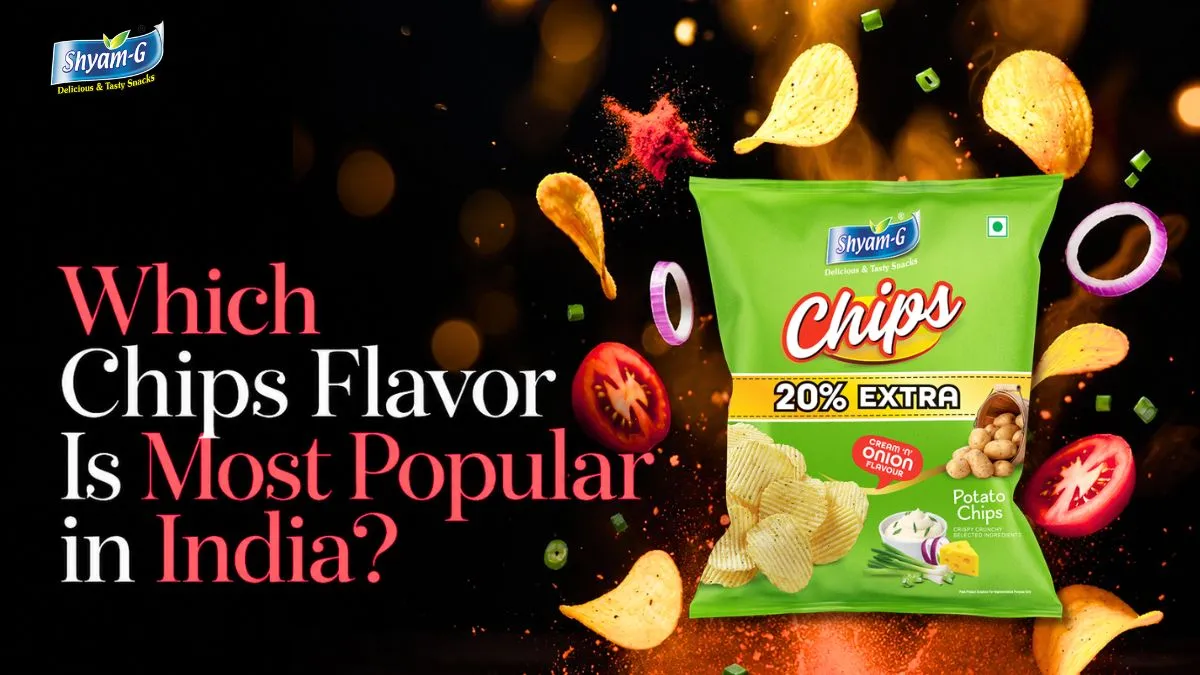
While traditional spice dominates small towns, cream and onion chips india has carved out a massive, highly profitable niche within urban and semi urban landscapes.
- Consumer Demographics: Highly popular among corporate professionals, college students, and urban families. It is the go to selection for evening parties, social gatherings, and casual get togethers.
- Key Sales Drivers: The subtle, smooth creaminess contrasted with a sharp chive and onion kick offers a premium, globalized eating experience.
- Commercial Positioning: This profile commands excellent placement on quick commerce platforms and modern trade supermarket aisles due to its high basket value contribution.
Regional Taste Variance: How Flavor Demands Shift Across States
A critical mistake made by many FMCG startups and new food industry professionals is treating the Indian market as a single demographic monolith. Consumer behavior, taste expectations, and overall flavor preferences shift dramatically across geographic boundaries.

Understanding these regional preferences allows logistics and warehouse procurement teams to prevent dead stock. It ensures that regional distribution centers are loaded only with high demand flavor profiles.
Supply Chain Dynamics: What Makes Packaged Snacks Move?
To scale a brand successfully in this sector, simply nailing the flavor profile is not enough. The profitability of the most popular packaged snacks in india relies heavily on a robust, temperature controlled, and highly efficient distribution network.
According to regulatory updates from the Food Safety and Standards Authority of India (FSSAI) maintaining absolute product hygiene, clear allergen labeling, and structural packaging integrity during transit is vital for any commercial food operation.
[Raw Material Procurement] ➔ [Precision Seasoning Application] ➔ [Nitrogen Flush Packaging] ➔ [Regional Distribution] ➔ [Last Mile Shelf Placement]
The Role of Quick Commerce and Modern Retail Platforms
The explosion of 10 minute delivery services has completely transformed snack procurement. Quick commerce platforms rely on hyper localized dark stores. These stores use predictive AI algorithms to stock specific potato chip flavors based on the exact purchasing history of a 3 kilometer radius.
For instance, a dark store located near a university hub will keep heavy stocks of cream and onion or international hot pepper styles. Meanwhile, a residential suburban dark store will prioritize family sized packs of classic salted and tomato profiles.
Strategic Competitive Advantage: Choosing the Right Manufacturing Partner
For grocery chains, private labels, and upcoming FMCG enterprises, the fastest way to capture market share is by introducing a balanced product portfolio. Launching premium, high margin items alongside high velocity regional products creates a healthy financial foundation.
When looking to scale operations, collaborating with an established, high capacity partner can significantly reduce overhead costs. Utilizing a reliable infrastructure helps brands bypass the immense capital expenditure required to set up automated processing plants
Industry Insight: Rapidly growing enterprises like Shyam G Snacks demonstrate how combining authentic Indian seasoning profiles with highly consistent, automated production runs allows regional brands to effectively compete with multinational snack corporations.
By ensuring uniform seasoning distribution, minimizing broken chips during automated packaging, and executing precise nitrogen flushing cycles, modern manufacturers protect the product's crunch. This directly safeguards the ultimate brand reputation on retail shelves.
Conclusion
The market for potato chips in India continues to present massive revenue opportunities for agile distributors, retailers, and food business operators. While traditional masala chips remain the dominant, high volume driver across rural and urban territories, alternative profiles like tangy tomato and cream and onion provide the high margin cushion needed for healthy retail profitability.
To capitalize on these snack trends, businesses must eliminate distribution inefficiencies, align their product mixes with regional palates, and invest in robust packaging solutions that preserve freshness in India's challenging climate zones.
Actionable Next Step
Are you looking to optimize your commercial retail shelves, expand a regional snack distribution network, or launch a dedicated private label snack brand? Explore our comprehensive resource archive to learn how automated manufacturing and modern packaging design can scale your market footprint. Let's talk through your business goals.
